-
LAC DPH: Safe Injections – Information for treatments that puncture the skin
-
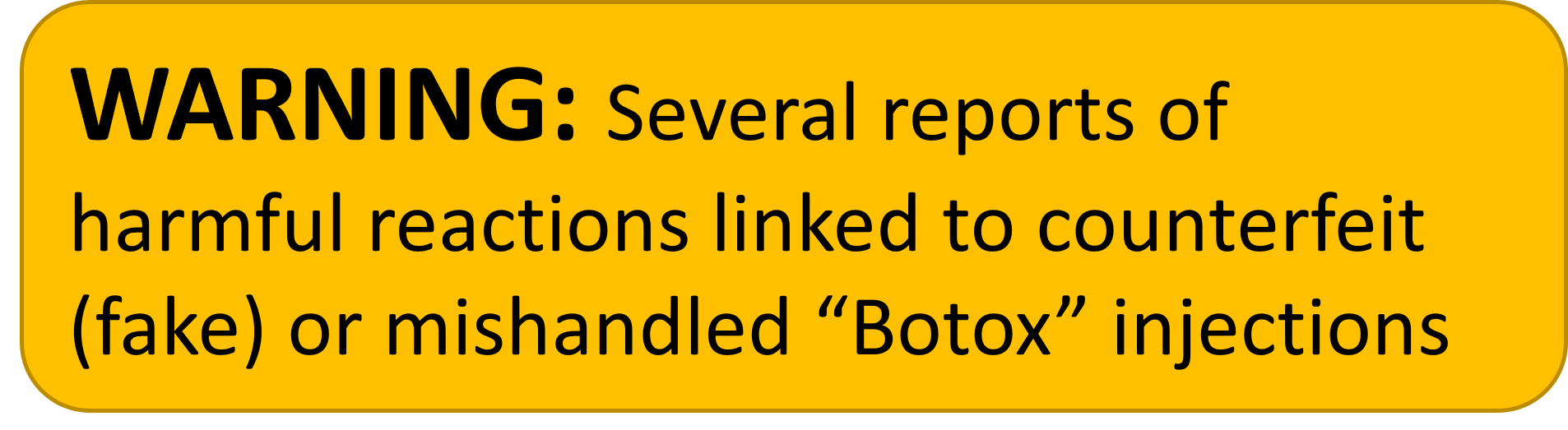
CDC Health Alert: Adverse Effects Linked to Counterfeit or Mishandled Botulinum Toxin Injections
-
FDA: Counterfeit Version of Botox Found in Multiple States
-
CDPH: Botulism
Botulism
NOTE TO ALL HEALTHCARE PROFESSIONALS:
If you suspect that a patient is suffering with botulism, immediately call Acute Communicable Disease Control to assist with diagnosis and implementation of therapy.
(213) 240-7941 (7:30AM-5:00PM, Mon-Fri)
(213) 974-1234 (After Hours, Emergency Operator)
Infant botulism is managed by the California Department of Public Health; contact Infant Botulism Treatment and Prevention Program (IBTPP) on-call physician at (510) 231-7600.
http://www.infantbotulism.org/
News and Updates:
-
CDPH Health Advisory:
Outbreak of Infant Botulism Linked to Nara Organics Whole Milk Organic Infant Formula
(6-17-26)
-
News Release:
Public Health Alerts Parents and Caregivers to Infant Botulism Outbreak Linked to Recalled Nara Organics Whole Milk Organic Infant Formula (6-16-26)
-
Product Alert:
Do not eat Shemshad's Mulberry Molasses and Mulberry Jam jarred food products dated "APR 25 2025" because of possible contamination with botulism (1-12-24).
English ǀ
Arabic ǀ
Farsi ǀ
Spanish
-
LAC DPH Health Alert:
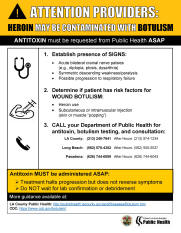
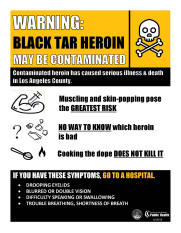
Wound Botulism Cases Associated with Heroin Injection (3-3-21)
-
LAC DPH Health Alert:
Wound Botulism Cases Associated with Heroin Injection (10-29-24)
Botulism is a rare but serious paralytic illness caused by a nerve toxin that is produced by the bacterium Clostridium botulinum. There are three main kinds of botulism. Foodborne botulism is caused by eating foods that contain the botulism toxin. Wound botulism is caused by toxin produced from a wound infected with Clostridium botulinum.
Infant botulism is caused by consuming the spores of the botulinum bacteria, which then grow in the intestines and release toxin; it is correctly called intestinal botulism, and rarely may also occur in older children and adults. Botulism toxin is also a potential bioterrorism agent that theoretically could be released in food or drink, or as an airborne agent. All forms of botulism can be fatal and are considered medical emergencies. Foodborne botulism can be especially dangerous because many people can be poisoned by eating a contaminated food.
Additional Resources for Healthcare Providers
Additional Resources for the General Public
Print Materials
Botulism Special Studies (Annual Case Summary Reports)